
ALUMINUM COMPOSITE SYSTEMS
ACM Facade Systems
CladStyle ACM facade systems are engineered architectural cladding solutions designed for modern commercial and residential buildings.
These systems combine clean geometry, lightweight performance, and controlled fabrication to deliver consistent panel alignment and reliable long-term performance. System layouts and detailing are developed during early design coordination to reduce downstream clarifications and site adjustments.
SYSTEM DEFINITION
What Defines an ACM System
An ACM system integrates the following elements into a coordinated facade assembly:
- Panel composition
- Substructure and fixing logic
- Joint and reveal detailing
- Installation sequencing and methodology
At CladStyle, these elements are developed together as a unified system. Early definition of interfaces and responsibilities helps maintain alignment through fabrication and installation, reducing coordination issues on site.
SYSTEM CONFIGURATIONS
Performance & Technical Considerations
Cassette Panel Systems
Folded edge panels that add depth, rigidity, and controlled shadow lines.
Rout-and-Return Systems
Flat ACM panels shaped through precision routing and folding.
Flat-Fix Systems
Minimal profile solutions for clean, planar facade applications.
Each configuration is selected based on design intent, substrate conditions, and performance requirements to reduce redesign and substitution requests later. Final system selection and detailing are reviewed against site conditions, substrate tolerances, and transition requirements.
SYSTEM APPLICATIONS
System Applications
Commercial Facades
ACM systems are commonly used in commercial building envelopes where clean geometry, consistent panel alignment, and lightweight construction are required at scale.
Retail Storefront Facades
ACM systems are used for storefront elevations where clean panel lines, durable finishes, and coordinated detailing support both visual identity and exterior performance.
Residential Low–Mid Rise Facades
ACM systems support residential facade applications where lightweight assemblies, clean transitions, and consistent panel alignment help maintain a refined architectural finish.
Feature Walls & Accents
ACM panels are used for entrances, soffits, feature volumes, and accent areas where sharp edges, controlled reveals, and clean transitions are required.
Application suitability is reviewed in coordination with substrate conditions, transitions, and installation sequencing.
SYSTEM REQUIREMENTS
Performance Considerations
Our work aligns with applicable Canadian building standards and project-specific requirements. Key system decisions are resolved early to maintain dimensional control and minimize changes during fabrication and installation.
• Thermal movement accommodation
• Wind load resistance
• Moisture management strategy
• Panel flatness and fabrication tolerances
• Joint alignment and visual consistency
Project-specific detailing is developed during design coordination, rather than deferred to site resolution.
MATERIAL & FINISH OPTIONS
Material & Finish Options
ACM systems are available in a wide range of colors, textures, and finishes, including solid colors, metallics, and specialty surfaces. Finish selections are reviewed in coordination with panel size, joint layout, and fabrication constraints to maintain visual consistency across the facade.
Solid colour ACM finishes
Metallic ACM finishes
Specialty texture profiles
Project-specific availability
PROCESS INTEGRATION
Integrated into the CladStyle Process
Measured. Controlled. Precisely executed.
Each step is coordinated to maintain clarity, alignment, and precision.
ACM systems are developed as part of a coordinated process that connects design intent with fabrication accuracy and disciplined installation. Each stage is aligned to reduce uncertainty, maintain dimensional control, and ensure the facade performs as intended, visually and technically. Early coordination resolves layout, tolerance, and interface questions before fabrication and installation.
Design & Detailing
ACM panel layouts, joint logic, and transition details are developed in coordination with architectural drawings. Early detailing establishes clean geometry and clear installation intent before fabrication begins.
Material Specification
Panel thickness, core composition, finishes, and fixing methods are specified based on performance requirements and visual goals. Specifications are reviewed to ensure suitability for the application and environment.
Fabrication
Panels are fabricated using controlled processes that maintain consistent dimensions, accurate folds, and clean edges. Tolerances are managed to support precise alignment across joints, corners, and elevations.
Installation
Installation follows documented alignment standards and sequencing to maintain consistent spacing and reliable performance. Execution ensures architectural clarity across the completed facade.
FEATURED PROJECTS
Precision Built in the Real World
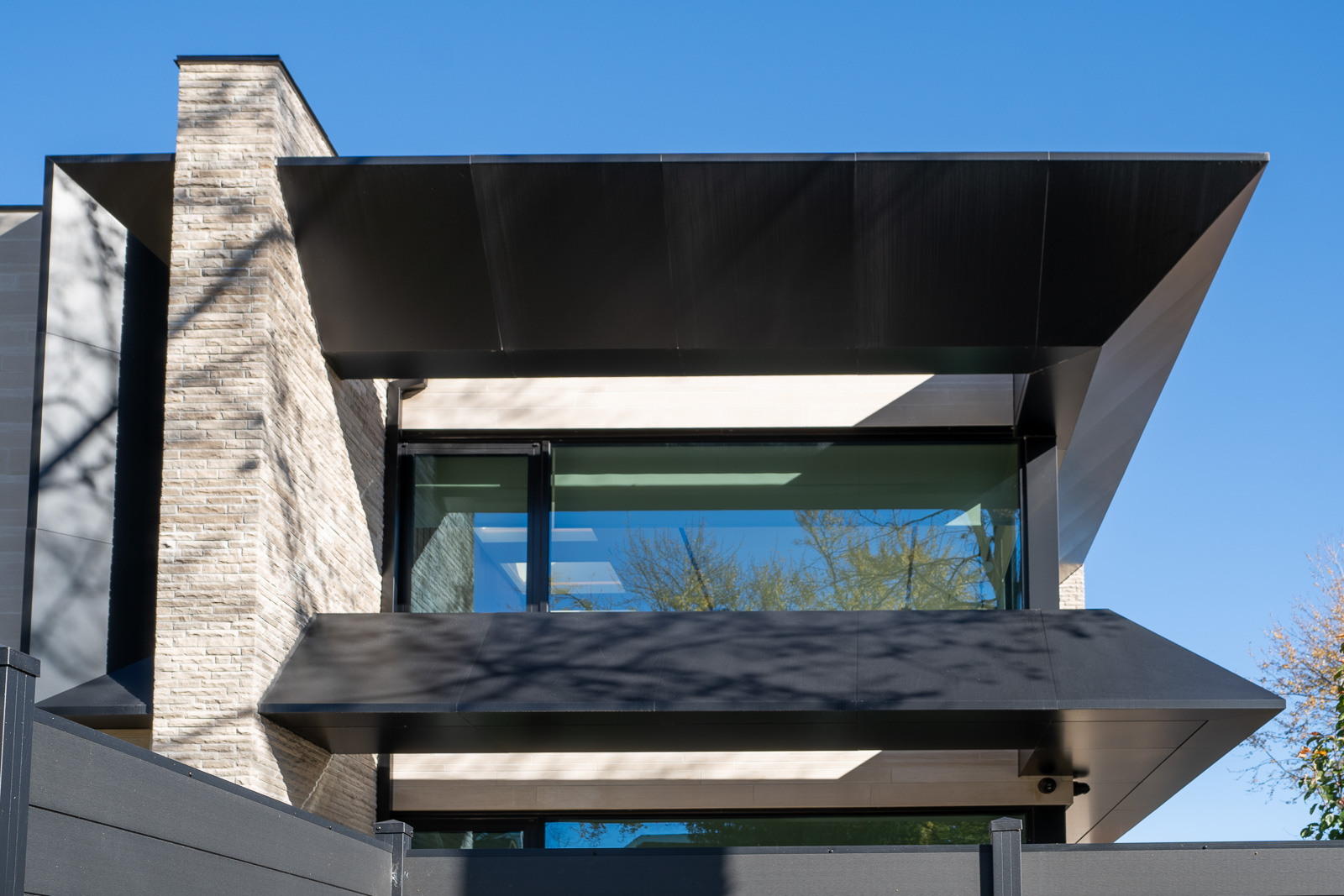
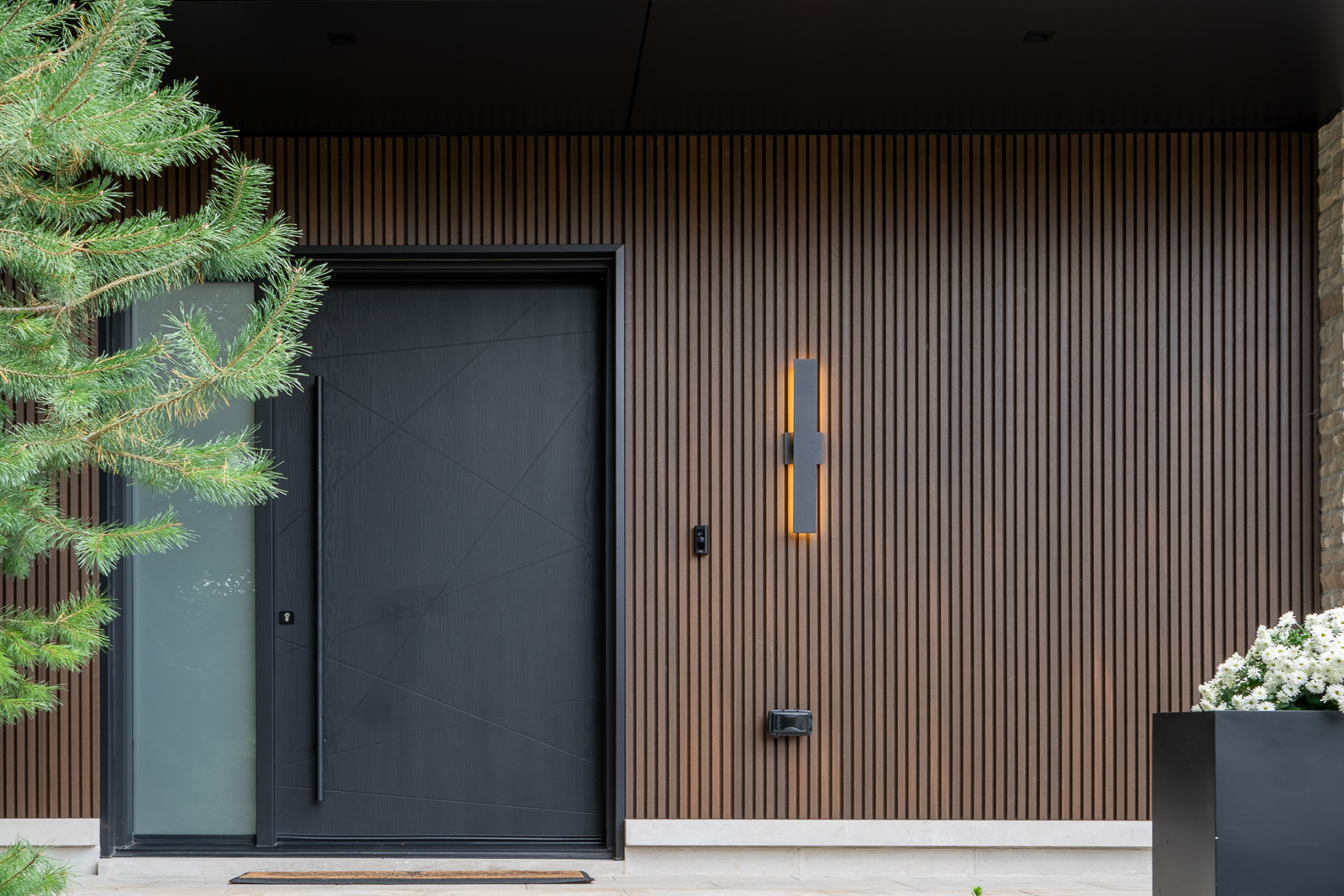
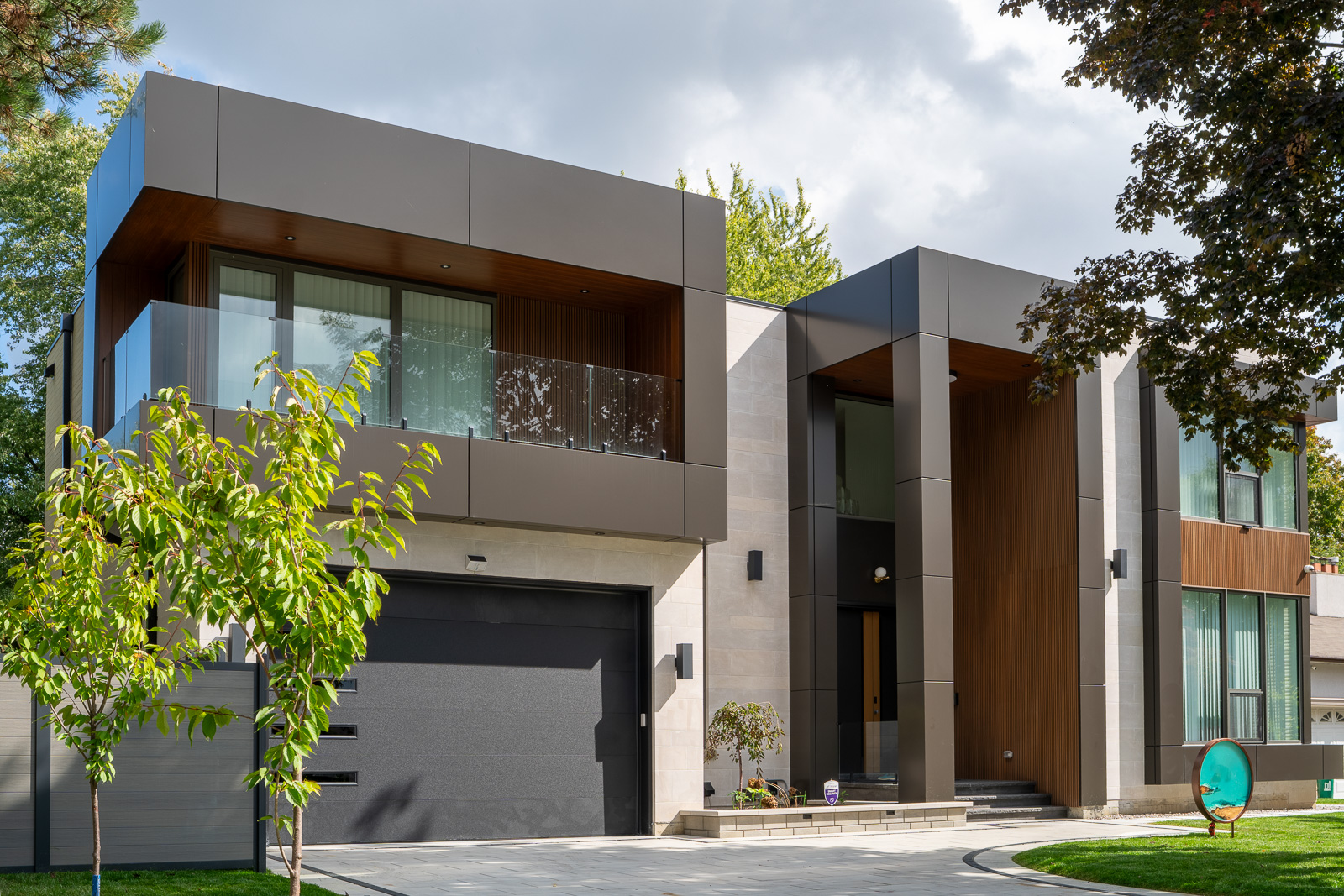
A selection of recent ACM facade projects delivered with clean geometry and disciplined execution. These projects reflect resolved detailing, controlled fabrication, and coordinated installation across real construction conditions.
Related Systems
Related Cladding Systems
Each system is detailed independently based on geometry, performance, and application requirements.
Aluminum Plate Systems
Solid aluminum systems engineered for durability, dimensional depth, and long-term architectural expression.
Fluted Panel Systems
Linear panel systems that introduce rhythm, shadow, and controlled visual movement across facades.
Louvers & Battens
Functional screening systems used for ventilation, shading, and elevation articulation.
Custom Systems
Project-specific facade systems developed to meet unique architectural and performance requirements.
FREQUENTLY ASKED QUESTIONS
Frequently Asked Questions About ACM Systems
ACM systems are used across a wide range of architectural facade applications. The questions below address common system-level considerations related to detailing, performance, and installation coordination that are typically resolved during early design and pre-construction.
For broader cladding topics or project-specific guidance, contact our team.
ACM systems are detailed to accommodate thermal expansion and contraction through controlled joint spacing, slotted fixings, and movement-tolerant attachment methods. Thermal movement is considered during layout and detailing to maintain alignment, joint consistency, and long-term performance across temperature variations.
Yes. ACM systems are commonly used on low- to mid-rise buildings when engineered for project-specific wind loads, substrate conditions, and local building code requirements. System selection and detailing are reviewed in coordination with building height, exposure, and performance criteria to ensure reliable facade performance.
Panel joint and reveal layouts are coordinated during design development to maintain alignment across elevations, transitions, and architectural features. Panel sizing, module repetition, and corner conditions are reviewed together to support consistent geometry and clean visual continuity throughout the facade.
Project-specific ACM system detailing is developed in coordination with architectural drawings, substrate conditions, and system requirements. Details are resolved early to clarify interfaces, tolerances, and installation sequencing before fabrication begins.
ACM system details are finalized during early design coordination, in alignment with architectural intent, performance requirements, and fabrication constraints. Resolving details at this stage helps reduce site clarifications and coordination RFIs during construction.
NEXT STEPS
Planning an ACM Facade System?
Share your drawings, elevations, photos, or scope details and our team will review the system requirements, finish approach, and next coordination steps.